
TOLL FREE 877 278 2142 USA
TOLL FREE 844 776 3727 USA & CAN
TOLL FREE 877 278 2142 USA
TOLL FREE 844 776 3727 USA & CAN
Making memories with friends and family is priceless, and enjoying relaxation and recreational time is something we all need. However, when you're not prepared, a beach trip, well, is no day at the beach. To avoid disaster and ensure your next sand and surf trip is the best it can ever be, these beach trip tips and hacks are invaluable.

Carry a sand-free beach bag. Sand is so much fun when you're at the beach. However, it's a huge annoyance when you get home and find that it's covered virtually everything you own. With this in mind, try getting a mesh tote bag for carrying your things. Just give it a few shakes at the end of the day, and the sand will fall out.
Always protect your face! Bring a mineral water facial spray along with you. This will refresh your skin when it's feeling a little jaded by the sun.
We know you care a lot about your hair, so apply leave-in conditioner to your hair. Both the sun and salt water can cause damage to your hair, and they can harm your color, too. To combat this, use a leave-in conditioner that contains a UV protectant.
Use lip balm. The sun, heat and salt water at the beach can dry your lips out, so ensure you regularly apply a lip balm containing SPF sun protection
Put Electronics, Medications, Toothbrush, and an Extra Pair of Underwear in Your Carry-on. A few important items should always go in your carry-on. A swimsuit is also a good idea if you are going on a beach vacation. You can buy most of these things if your bag gets lost, but having them in your carry-on will save you money and time if your luggage gets lost in transit.
Put your room number & Hotel Adress in your phone. It is better to prevent
Alert Your Bank and Credit Card Company of Your Travel Plans. This is a great habit to get into if you don’t want your credit card company or bank to put a hold on your card while you are overseas.
Leave Room for Spontaneity. Don’t plan your entire itinerary ahead of time. It’s tempting, I know, but those unplanned moments while traveling can be the best memories.
Let Someone at Home Know Your Plans. This is extremely important when traveling solo, but it’s still a good idea no matter how many people are in your travel group
Put your phone in a plastic bag when you go to the beach. The touchscreen still works through the plastic, so you can use your phone without ruining it in sand and water.
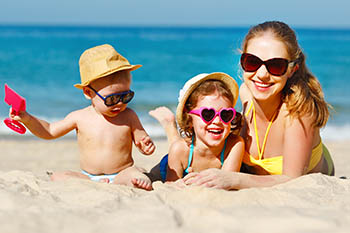
Waves gently crashing along the shore. Sunlight streaming from a cloudless sky. Miles of seemingly-endless sand joining the horizon. Sounds pretty peaceful, doesn't it? And for many of us who spend most weekday hours indoors, it doesn't take much persuasion to peel off the layers and catch some sun.
But if you do need more reasons to hit the beach, find out how the surf, sun, and sand can boost your physical and mental health.
Look no further than the experts. In a study published in the Journal of Environmental Psychology, author J. Aaron Hipp, Ph.D., environmental health expert and assistant professor at the Brown School, pointed to the restorative environment of the beach.
"Studies have shown that natural environments like beaches and waterfront parks offer more restorative benefits to people than gyms, entertainment venues and the built urban environment," said Hipp.
His study goes further to suggest that we require specific conditions in that beachside environment to achieve the fully-desired restorative effect.
"Mild temperature days and low tides offer the most restorative environments when visiting the beach," he said.
"Beachgoers visiting on a day nearly 3 degrees (F) warmer than average were 30 percent less likely to perceive the beach or coastal park as restorative, compared with those visiting on average or cooler than average days."
We all know the risks of too much sun exposure. But there are benefits to getting some rays, too.
When our skin is directly exposed to the sun, our bodies make vitamin D, a vital tool that helps with calcium absorption and building strong bones. Some of it comes from diet, but a good portion also comes from the sun. And according to the Mayo Clinic, as little as 10 minutes of sun exposure can provide us with our daily dose. According to the vitamin D council, "your body can produce 10,000 to 25,000 IU of vitamin D in just a little under the time it takes for your skin to turn pink."
In one study, sun exposure was shown to offer other benefits in addition to vitamin D production — including an increase in endorphins and possible prevention of autoimmune diseases.
But despite these benefits, limit your exposure to excessive sunlight to avoid skin cancer risks. When you do head out into the sun for more than a few minutes, remember to wear protective clothing and apply sunscreen with an SPF 15 or higher.

Did you know that the soles of your feet have more sweat glands and nerve-endings per square centimeter than any other part of your body? And that walking barefoot stimulates them much more than walking in shoes?
Not only are you stimulating nerve endings when you walk on the sand, but you're also strengthening the muscles in your feet, which don't get used nearly as much when you're wearing shoes. And according to Martin Zucker, author of Earthing: The Most Important Health Discovery Ever?, you may be better connected to the earth when you ditch your shoes, reaping vital mood-boosting benefits. "Earthing," argues Zucker, reconnects our bodies to the ever-present energy of the earth, which modern lifestyles have increasingly diminished.
And in a study focused on running and walking on the sand, researchers found that walking on sand requires 1.6 to 2.5 times the energy than it takes on a hard surface.
"Our muscles perform more mechanical work when running or walking on sand than on a hard surface," said study co-author Dr. Thierry M. Lejeune, M.D.
If treading on the unwieldy sand for too long sounds tiring, try alternating your walk or run on the more compact sand closer to the water, where the surface will be less challenging.
Sea water contains high levels of various minerals — including magnesium, potassium and iodine — which may help fight infection, offer therapeutic effects, and potentially help the body heal and detoxify.
Swimming is linked to decreased stress and increased sense of well-being; studies have shown swimming and water-based exercise help to decrease anxiety and depression.
Aside from its therapeutics effects, swimming provides excellent physical exercise, employing most of our major muscle groups, especially as the water provides gentle resistance.
According to the Centers for Disease Control and Prevention (CDC), swimming ranks as the fourth most popular sport activity in the United States. Among other aerobic activities (like running and bicycling), swimming for as little as two-and-a-half hours a week may help reduce the risk of chronic diseases and boost heart health.
And since it's a non-impact sport, swimming offers a great way for people with injuries to get some exercise. For sufferers of arthritis, water-based exercise can help improve joint pain symptoms.
Source (Medical Daily)

From Caribbean beaches to Pacific cruise ports, destinations in Mexico offer optimal inexpensive getaways. Cabo San Lucas, Puerto Vallarta, Puerto Peñasco (Rocky Point) and The Riviera Maya are just three vacation hotspots that won't wreck your wallet. Don't let pricey airline tickets ruin your vacation budget. With a few simple tips, save money you can spend instead on tours, souvenirs and enjoying Mexican culture.
Use the calendar
Use Southwest Airlines Low Fare Calendar online to view the cheapest times to fly to Cancun, Puerto Vallarta, Mexico City or Los Cabos. Enter your origination and destination cities and click on the month that you wish to travel. A calendar pops up showing the best deals for each day of the month. For example, airfare the day after Christmas and the weekend before Christmas is the most expensive time to travel during the month of December on a flight from Phoenix to Cancun. A flight costs less than half as much during the first 12 days of the month or after the first week of January.
Avoid Holiday Travel Times
Visiting Mexico during national holidays can be a festive and exciting experience, but you'll also pay a premium for airfare. Travel during times when school is in session and government and businesses offices are open to find the lowest rates. Mexican citizens tend to travel during the national holidays when many businesses close for one or more days. Airfare increases to Mexico for the Christmas holiday season beginning with December 12, the Day of the Virgin of Guadalupe. Although the main focus of the festival is Villa de Guadalupe Hidalgo north of Mexico City, the national holiday gives citizens time to travel in all parts of the country. The winter holiday season ends with the New Year's holiday. The Easter season is another busy travel season in Mexico where Maundy Thursday and Good Friday just before the Easter weekend are national holidays. Other national holidays include:
Constitution Day, the first Monday in February
Benito Juarez's Birthday, the third Monday in March
Labour Day, May 1
Independence Day, September 16
Revolution Day, the third Monday of November
Price flights online
If you know when you want to go on your Mexican holiday, check out onsite price matching sites like JustFly or Google Flights. Although you might have to move quickly to snag the very best deal, take time to check out the details before you commit. Some prices you'll find online don't include taxes and additional fees, which can tack on more than $100 on a flight from Phoenix to Cancun, for example. Lower priced fares might add one or more stops, extending your flight time. For example, a 4.5-hour flight from Phoenix can turn into 15 hours of flying and airport layovers when you fly via Dallas to save a few dollars. Keep legroom in mind, too. Google Flights includes how much legroom you'll have which, if you're tall, can be worth paying more for to be comfortable for hours in the air.
With SQN Getaways, find the best accommodation packages and have an amazing time in paradise.
Source: (Usa today)
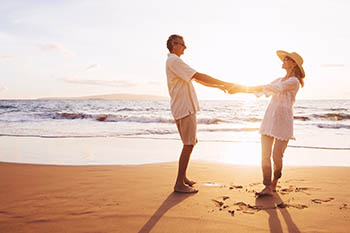
It is the month of February and love is in the air. Cupid is soaring in the Puerto Peñasco winds, with his shiny bow and arrow ready to pull the arrow tight and let it fly. Who knows where it will strike or when or whom? Usually when love strikes, it happens fast, in a blink of an eye. Bam, you're hit. And as some may know, especially if you're in love, trying to be in love or looking for love, the right atmosphere or activity can make a difference. So, peruse this list and try one or all of the ideas with that special someone and just see if the arrows don’t come flying!
1. Buy a Love Song from a Mariachi for your sweetheart. This one can really work well if you plan ahead. In the majority of the restaurants in town and in Old Port area they have various groups of traveling mariachis’. Excuse yourself, go to the banos and ask one to come over and play a love song when you get back to the table. I recommend “Besame Mucho.”
2. Romantic Picnic for Two. Take a Mexican blanket, a picnic basket, some beverages and go sit on the beach. Surprise is a romantic factor. Just pick them up and leave the activity and destination a secret.
3. Get a special getaway. Just cozy up to your sweetheart in a hot tub looking at the ocean and make it a special night or weekend. Believe it or not, with SQN Getaways you can enjoy a private terrace with plunge pool, one bedroom with a king-size bed, and one bathroom with Jacuzzi tub, check our getaway deals in www.sqngetaways.com or call 877-278-2142
4. Go Horseback riding on the beach. There are several local businesses that have horses for rent. It is very romantic to take a horseback ride on the beach with the one you love.

5. Go to Happy Hour at La Casa Del Capitan restaurant at Sunset. El Capitan is on the high peak overlooking the Malecon, Old Port and the Sea of Cortez. The views are beautiful and very romantic; you can also spend time next door at the Lighthouse Restaurant where they have live jazz music and spectacular views.
6. Be on the water at sunset. Rent a kayak, boat or take a Sunset Cruise. Puerto Peñasco offers both kayak rentals and boat rentals. If you are looking for the private tour and know how to drive a boat or use a kayak that is a good option and can be quite romantic. However, if you would rather sit back and let someone else drive try one of the various Sunset Cruises.
7. Couple massage for two. There are several massage therapists in Puerto Peñasco who can arrange to come to your room for a more private setting.
8. Sunrise Special in Cholla Bay. Make an early date to wake up one morning 30 minutes before sunrise. Wrapped in a big oversized blanket together is a great way to make a day romantic. A remarkable place is over in Cholla Bay where you can actually see the sunrise from the water. Depending on the tide, you can also walk out on the sand and look for washed up sand dollars. Afterwards, you can stroll to Xochitl’s Café and have an impressive Mexican breakfast.
9. Go Parking on a deserted beach. Puerto Peñasco is fortunate to have deserted beaches within a short drive. Many you can walk for miles with no one around and also pick up some good shells. The rest is up to you.
10. Go to the Malecon on a Sunday night and sit on a bench in front of the Colossal Shrimp Statue. Sunday night in Mexico is family night. It is a wonderful evening that friends and family use to spend time with each other and their significant others. When the fiery red ball drops into the ocean and a red glow is everywhere, somehow all seems warm and right with the world, love is abundant.
You’ve heard “Virginia is for Lovers”? Well, “Puerto Peñasco is for Lovers,” and this is just a few of the romantic things to do in Peñasco. Mucho Amore.