
TOLL FREE 877 278 2142 USA
TOLL FREE 844 776 3727 USA & CAN
TOLL FREE 877 278 2142 USA
TOLL FREE 844 776 3727 USA & CAN
While it seems from Instagram that literally everyone you know is on a vacation or preparing for one, the statistics don't bear that out, especially for Americans.
Do any of these sound familiar?
"My team will flounder without me there."
"There will be too much work to make up for when I get back."
"I try to take vacations, but by the time I realize I need time off, everything's booked."
These are just some of the reasons my American friends give for not using their vacation days—if they're lucky enough to get paid days off.
Unlike every other developed nation in the world, the U.S. has no mandated number of days off for employees. About one-fourth of American workers get no paid vacation at all. Those whose employers offer it receive an average of about 10 days a year. And 54% of American workers didn't even use the days off they earned, according to Project Time Off.
Meanwhile, workers in the United Kingdom get 28 days off, most of western Europe gets 25, laborers down under in Australia and New Zealand enjoy 20—and none of those totals include public holidays, which add on another 10 to 13 days per year in most countries.
While China only gets 5 mandated vacation days for the youngest workers (more as you advance), that doesn't include semi-annual chunks of time off called "Golden Weeks."
Why do so many Americans eschew vacations? It could be that because vacation time isn't mandated, but up to employers. Perhaps it's seen as some kind of bonus, rather than earned time off.
Or maybe it's because the United States doesn't have a strong vacation culture: Many American kids grew up with parents who didn't receive it or were also too busy to take time off. When those children start working themselves, they don't know what to do with their time off because they never learned it from their parents. It's hard to value something that's never been experienced.
The 1992 Framingham Heart Study, which still stands as the gold standard for long-term health studies, tracked workers over 20 years. sIt found that "men who don't take vacations were 30% more likely to have heart attack and for women it went up to 50%," according to Brigid Schulte, author of "Overwhelmed: Work, Love & Play When No One has the Time" and the director of the Better Life Lab at the New America Foundation.
Those numbers hold true even after researchers took into account other health factors like diabetes, cigarette smoking, income levels and obesity. The conclusions from the study have been backed up by other similar research studies.
"It shows how the body reacts to a lifestyle of stress. This is real evidence that vacations are important to your physical health," Elaine Eaker, a coauthor of the study, told the New York Times.

Travel reduces stress
Researchers have also found that vacation is also valuable for mental health and well-being.
"Vacation is essential to reset and remind yourself that career is not the be-all and end-all. There are other facets to a healthy existence [outside work]," said Sherry Amatenstein, a New York City-based therapist and editor of the anthology "How Does That Make You Feel? True Confessions from Both Sides of the Therapy Couch."
That mental break doesn't just feel good. It also benefits businesses -- which is probably why even though Western European workers have more time off than the US does, generous vacation policies haven't been found to affect productivity.
Schulte says that all the research points in the same direction. Those who don't take time off are "sicker, less productive, stressed, and more anxious and depressed—that affects your work as well."
She says it behooves managers, CEOs and leaders to create systems that prioritize a culture of vacation. Requiring workers to take time off or including vacation planning as a part of performance reviews are two ways to make sure time off is used—all of which will benefit the bottom line.
For the individual, it might sound strange, but vacations take practice, said Schulte. "The more we take that time, the more we want it," she said.
So, how do you get in the vacation habit? Like any other goal, it requires planning.
"The key reason people give for not taking vacations is that they don't feel they can leave work," says Schulte, but you can if you're organized.
Start by "writing in your calendar beforehand when to schedule time for a trip," said Amatenstein. Once the vacation is in your schedule—even if it's six or eight months from now—you can organize around it. And then check our amazing packages to travel to the beach!
Look at your workflow. In your own schedule, "clarify your priorities, delegate, and talk openly with your colleagues about your time off," says Schulte, so it's not an unexpected surprise when you're out of town. Schulte says that planning will force you to prioritize your goals over time and can be a net benefit, helping you work smarter and more efficiently.
Start viewing vacation time as a non-negotiable—like the dentist or yearly checkup, it's a vital part of your health care, so start treating it as such.
Source: Why vacations matter for your health
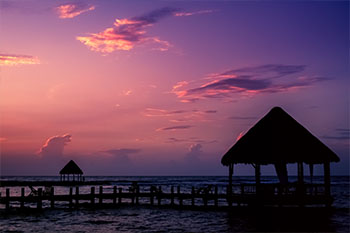
Take a vacation where you don’t have to worry about weather conditions, and where you can enjoy outdoor activities anytime of the day or night. The Riviera Maya is the kind of vacation spot where you can relax on white sand beaches or be active by snorkeling, diving, kayaking, and more.
Airplane Tickets
One advantage of traveling to this area is the airline access. With all the major carriers flying into Cancun (Delta, American, United, and so on), as well as direct flights from most major U.S. cities, getting here is easy and relatively affordable.
As with any vacation destination, demand will dictate flight availability. According to research from airfare tracking website Hopper.com, because Cancun is a leisure route, prices tend to be more stable and often fall until seven days before departure, though the difference between booking 35 days in advance and 10 days in advance is $8. But all that goes out the window at peak times—Christmas, spring break—when being an early bird pays off.
Visa
U.S. citizens visiting for less than 180 days don’t need a visa to enter Mexico. However, you will need to have a visitor’s permit, which can be obtained by filling out a form provided by your airline, travel agency, or at the point of entry in Mexico. Since 2007, a valid passport has been required to enter Mexico, whether you’re flying, driving, or arriving by cruise ship. Mexico requires that your passport be valid for at least 90 days following your departure date, but it’s a good idea to have six months’ validity on your passport at all times (not to mention unused passport pages for necessary stamps).
What to bring?
When you’re coming to the Riviera Maya, you might think there’s little more to pack than a bathing suit and flip-flops. But with its jungles to discover, ruins to climb, and underwater worlds to explore, this slice of the Yucatan Peninsula is a dream for adventurers. So depending on what activities you have planned, you might want to bring hiking shoes, diving gear, and outdoor clothing. And while it’s rare, the Yucatan can sometimes have cool nights in winter, so it’s always smart to bring a sweater, just in case.

The places you should consider if you're visiting Riviera Maya.
This walled city was one of the last built by the Mayans. The pre-Columbian cliff top ruins are among the best preserved coastal sites where you can see stunning ocean views. Tulum has been a favorite destination for yogis and surfers for many years, but more recently the stylish hippie town has gained a reputation with international foodies, too. Unleash your inner food-lover at Hartwood with its daily-changing chalkboard menu. The daily catch — including grouper, mahi mahi, and Caribbean octopus — is cooked over an open flame for a rustic sea-to-table feast. Another option is for you to visit one of the local favorites, Antojitos La Chiapaneca, for some addictive tacos. Keep your evening going at Gitano with excellent mezcal cocktails and an outdoor disco floor.
Playa del Carmen is one of the most popular places to stay in the Riviera Maya. This coastal town offers a relaxed environment and welcomes you to wander around the pedestrian-only Quinta Avenida, or Fifth Avenue, that stretches 20 blocks. Here, you can enjoy many shops and bars. You can also walk a little further and enjoy beach-front hotels, restaurants, and clubs while taking in the beauty of the Caribbean Sea. Playa del Carmen is located in the center of the Riviera Maya which makes it a great home base for you to explore the historic ruins and natural wonders of the surrounding area.
Between Playa del Carmen and Tulum is this small beachfront community. Akumal translates to "place of turtles" in Mayan. You can see where the town gets its name each summer when hundreds of endangered sea turtles return to the shores to lay their eggs. You can scuba dive and check out the beautiful coral reefs that are home to countless tropical fish, or, if you're not scuba-certified, you can enjoy the ocean landscape by snorkeling. You also have the option to dive and explore the fresh water cenotes and shipwrecks. If you prefer to stay on the land, hiking the caves and zip lining at Aktun-Chen National Park is a great way to spend your vacation.
This mysterious Mayan city is surrounded by five cenotes, which is fitting because Cobá translates to "muddy waters." At this archaeological site, you can see the hub of an intricate system of paved stone causeways — called sacbes — that once connected Mayan city-states. Climb the steep steps to the top of the Nohoch Mul pyramid where you can survey the land. You can also purchase local crafts from artisans in the adjacent pueblo. Cobá isn't overly crowded because of its remote location, and many of the structures have not yet been excavated. This makes it a great option if you're looking for history without a lot of tourists.
Nature lovers will find peace and immense beauty in the "place where the sky is born," or Sian Ka'an in Mayan. This protected biosphere reserve, the third largest in the country, offers you days of swimming or rowing through picturesque lagoons and hiking into the jungle. You can spot 800 species of plants and 360 different animals, including monkeys, jaguars, ocelots, crocodiles, and turtles. The vibrant ecosystem is filled with a kaleidoscope of color and is still off the beaten path for most visitors — it will make you feel like you have the whole place to yourself.
SQN Getaways offers you the best lodging options whether you are traveling with your family or your special one.
Source: How to Travel to the Riviera Maya, The 6 best destinations in Riviera Maya

Summertime is just a few weeks away, which means family vacations are likely on the brain.
The idea of planning a vacation with kids in tow can be intimidating. Sure, the actual vacation is supposed to be relaxing (or as relaxing as a vacation with kids can be!), but getting to that point can be a maze of hotel recommendations, travel blogs, flight seat selections and more.
So we have some vacation planning tips so you can get that trip booked with ease. From flight hacks to safety recommendations, here’s what they shared.
Plus we gather the best hotel deals in beach luxury resorts with amazing kids clubs
Google is a helpful resource when planning a vacation, but if you’re at the beginning of your planning process, try to resist the temptation to hop on with your searches.
If you start with Google, it’s the paradox of choice.There’s so much out there and you just don’t even know what you’re looking for.
Instead have a family meeting to learn how far everyone wants to go, what activities they’d like to do, their thoughts about hanging out on beaches vs. exploring local villages, and so on. Then, let Google help you arrange tours and plan other activities.
Also, knowing when you want to go can sometimes help you put together a list.
Certain places and activities will be more accessible at different times of the year, so once you know exactly when and how long you want the trip to be, the choices can be narrowed down a bit.
Of course, school vacation means peak travel times. Planning ahead can help you and your family avoid higher prices, sold-out tours and the headache that comes after learning there aren’t enough seats together on a flight.
If you have young children who are not in school and have flexibility with dates, it is best to travel at non-peak times. For example, the first week of January after the New Year offers lower pricing than staying over the holiday week,.
Having plenty of advance notice of a trip will also allow you to send important supplies (like diapers, baby products, sunscreen, etc.) to your vacation spot before you leave. Many hotels will happily arrange for this. Plus, sending these things leaves room in your luggage for other belongings.

If you give the hotel information and tell them about yourselves and about your family, everything can be set up for you.
As an example, ask for turndown service at a different time if you know your toddler will be sleeping, bring a notecard with you about the restrictions that are in the local language and give it to them so they can tailor to your needs.
If your kids have sensory difficulties call hotels ahead of time to ask whether the housekeeping team incorporates any strong smells as part of the room ambience.
Resist the temptation to plan several tours or activities a day, leave some time in the day to rest, you should always factor in travel time and wait times when scheduling excursions and other fun things.
Of course, the trip planning doesn’t end after the hotel and mode of transportation are booked, plan on bringing “a handful of small gifts in wrapping paper” to keep kids occupied.
Another idea that’s a bit out of the ordinary? Bring blue painter’s tape to distract the kids, blue painter’s tape works wonders on planes, it’s cheap, easy, and it doesn’t ruin any surfaces!”
If you’re looking for something that keeps kids occupied and requires no extra belongings, make the plane ride part of the adventure and talk to the kids about the trip while traveling. It’ll keep them busy and get them excited about the vacation.
And if you’re traveling internationally, don’t forget to check everyone’s passports, not just your own. Remember that children’s passports expire every five years (vs. 10 years for adults), so be sure those are up to date, the expiration date on passports must be valid at least six months beyond your date of travel [for some countries].
Planning trips can be stressful, but the research pays off.
It might be a little extra work on the ground before you go, but at the same time once you’re there it’ll allow you to fully enjoy and appreciate the vacation instead of having to be concerned about it when you’re there.
And if you are feeling overwhelmed or spotting too many restrictions on your family’s needs at a certain destination, simply go somewhere else.
Via: Huffpost
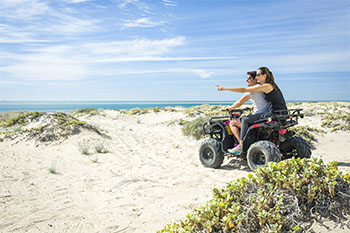
When looking for a vacation spot, there are so many things to consider. Like time to get there, costs of flying to get there and where do you stay and what do you do when you do get there. Puerto Penasco is your best place for every aspect of a vacation. First, it is only a short 4 hour drive from Phoenix or Tucson and with no waiting in long lines at the airport. Secondly it is not expensive to get here, third is we have the best deals for accommodation on the Sea of Cortez and last, there is a multitude of things to do here every single day. No over crowded beaches here, just miles of pristine sand.
Crossing the US/Mexico border is very easy (just make sure you have your passport or passport card for re-entering to the US). Buy your Mexican auto insurance either online or from your own agent.
A short 1 hour drive south of the border and you are here. About 30 kilometers south of the border you will pass the Pinacate Biosphere. Sometime during your stay, do go back out and tour the new visitor center Shuk Toak. It is very modern with a movie telling all about the craters and the surrounding area. The guide there will answer any questions that you may have and there are interactive touch screens throughout the building. Make certain to take your camera as the views from the center are gorgeous. This crater range is the largest in North America and if you feel like going up to see them, you can (4 wheel drive) is best. You may encounter many animals along the way.
-760.jpg)
Back in Puerto Peñasco if you are a seafood lover, take the drive out to the oyster farms and get some steamed clams, fresh shucked oysters or ceviche and have a cold beer if you like. While there take a dip in the water or just watch the Blue Heron and Egrets do a fly over along with countless Pelicans.
As you pass into town you will drive along the docks in the Historic Wharf District with all the shrimp boats moored and will be able to see nests of what we call Bald Eagles, but they are actually a little different. Both mom and dad tend the nests and dive in the harbor to get food for the babies. Again, camera time, as the boats make for awesome photography as well as the pelicans perched on the pongas (little fishing boats). Continue into the Malecon, were you can have your choice of food and very good service. A lot of history here as Al Capone use to stay there in the bootlegging days. As you leave the Old Port, make sure you stop into Mercedes Rusticos. Here you will find anything that you need for your home or as a gift. From the south of Mexico you will find blown glassware, Mexican table settings and weavings just to name a few things.
Sometime during your trip, venture out to what locals call “Rodeo Drive” and visit the many shops filled with everything from beautiful ladies apparel to upscale gifts for you home or condo. There is something there for everyone.